
Who actually makes the rules of digitalization? Does artificial intelligence need ethics? And where does Switzerland stand in the race for technological leadership? These questions were the focus of the National Conference Digital Switzerland in Basel.
The name of the event is important, as is the political prominence. Two Federal Councillors presented their views on the opportunities and challenges of digitalization at the "National Conference Digital Switzerland". Ueli Maurer, President of the Confederation and Head of the Federal Department of Finance, spoke at the Congress Center Basel about the prerequisites of business and administration for mastering digital change. Simonetta Sommaruga, head of the Federal Department of the Environment, Transport, Energy and Communications, drew attention to the dangers of the digital economy for media and democracy.
Praise and condemnation
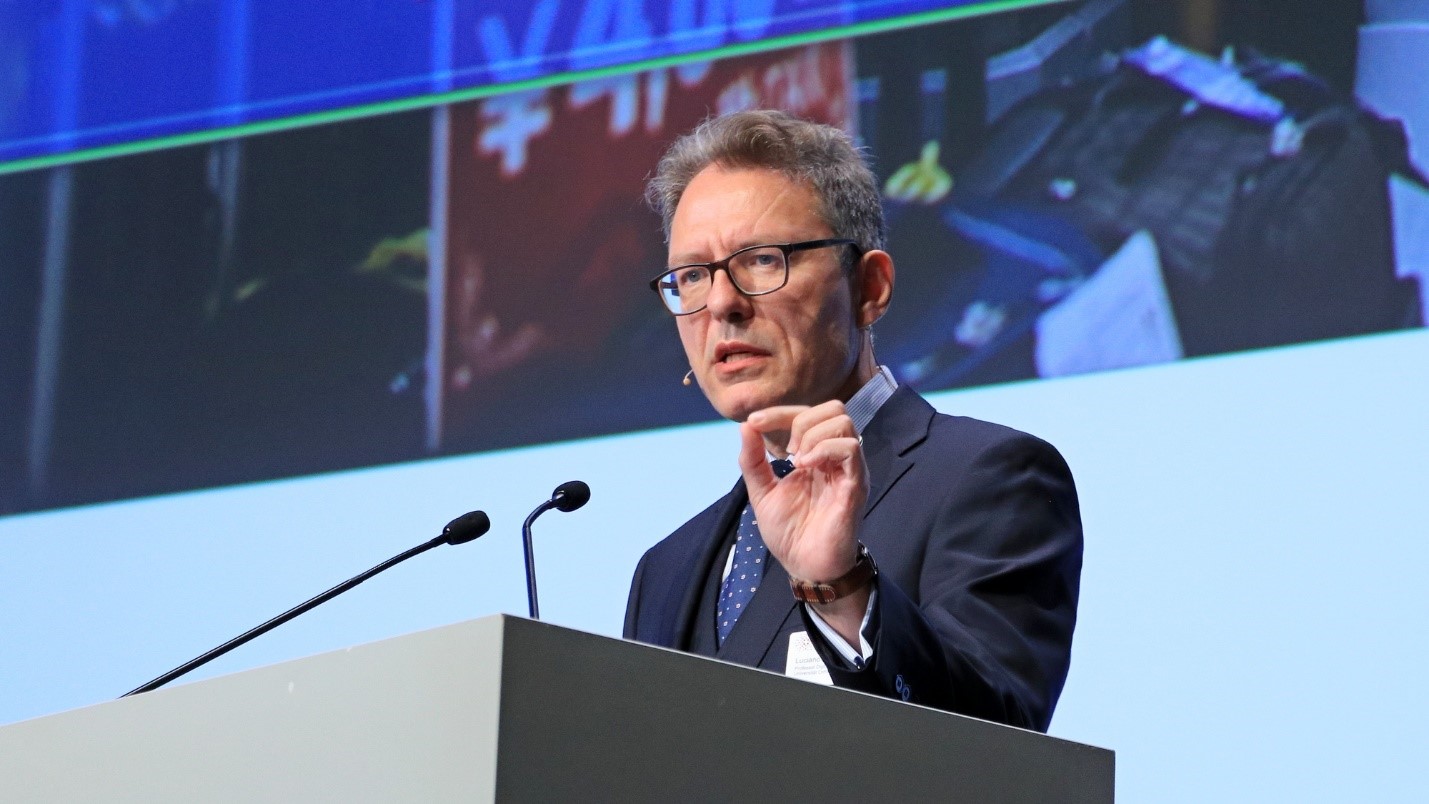
Maurer was ambitious in his speech: "The goal of digitalization must be to take a leading role worldwide." Switzerland must not rely too much on what has worked in the past. One has to adjust to the dynamics of the development in order to keep up. That also applies to the state. "Data is worth its weight in gold," said Maurer, and therefore it must be regulated what happens to it.
Maurer said that Switzerland has the best prerequisites for not losing touch with digitalization, but there are still a few construction sites. In development, Switzerland is the leader, but in application there are still a few problems. More investment is needed in research, but above all in experts. What Switzerland needs is a biotope of start-ups and possibly also a "Lex Informatik" to get the best people. In general, the state and the economy must be prepared to take risks. Those who want to move forward cannot take care of all their concerns.
E-ID, data protection, e-government and cybersecurity must also move forward, the Federal President continued. Ensuring IT security, in particular, is a central task of the state, because it forms the basis of digitalization. Maurer said that Switzerland must become one of the safest countries in the application of digital processes. The next big step is artificial intelligence (AI). Nobody can say exactly how this technology will develop today. But it is important and creates security for the future if Switzerland is a leader in this field.
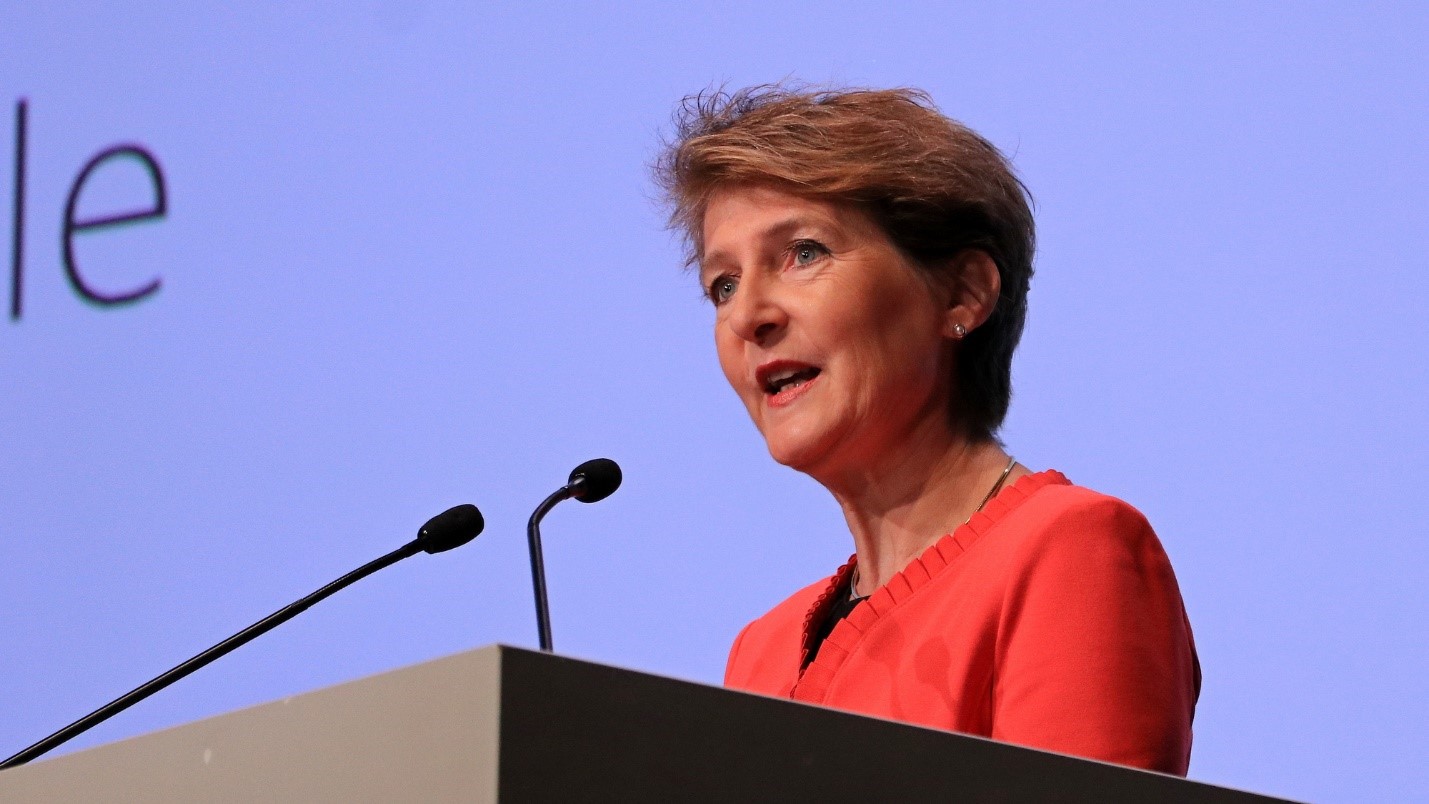
Simonetta Sommaruga investigated the question of how the media have changed through the Internet, social media and algorithms - and how the state can react to this. What news people read and what advertising is displayed to them is now in the hands of big tech companies. For politicians, this means that their influence is limited. But the Swiss media houses are hit harder. The small publications, in particular, suffered from the fact that local topics hardly played a role in the digitalized media world anymore. "In Silicon Valley, people have other worries than a new school building in the Bernese Oberland," she said.
The Federal Councillor warned that this was a problem for Switzerland. If entire regions become no-man's-land for the media, if the population can no longer inform itself about developments on its doorstep and critical journalism can no longer find a business model, direct democracy would be in danger. The Federal Council must, therefore, promote paid services and provide incentives for the use of local media. This example shows the fundamental question of who actually makes the rules for digitalization. For Sommaruga, it was clear that not only companies like Google, but also the public would have to shape the framework conditions for change.
What the Social Media Generation Thinks
In addition to presentations on the relationship between digital change, the public and regulation, the conference day offered panel discussions in particular. Representatives from research, business, administration and politics debated topics such as "The power of machines - the powerlessness of people", "Next steps on the road to digital Switzerland" and "Smart cities, smart regions, smart villages". The last round, in particular, showed how fruitful it can be when experts and decision-makers exchange views on cantonal and silo boundaries. The participants agreed that cooperation in design, implementation and, above all, financing was more important than the technology used.
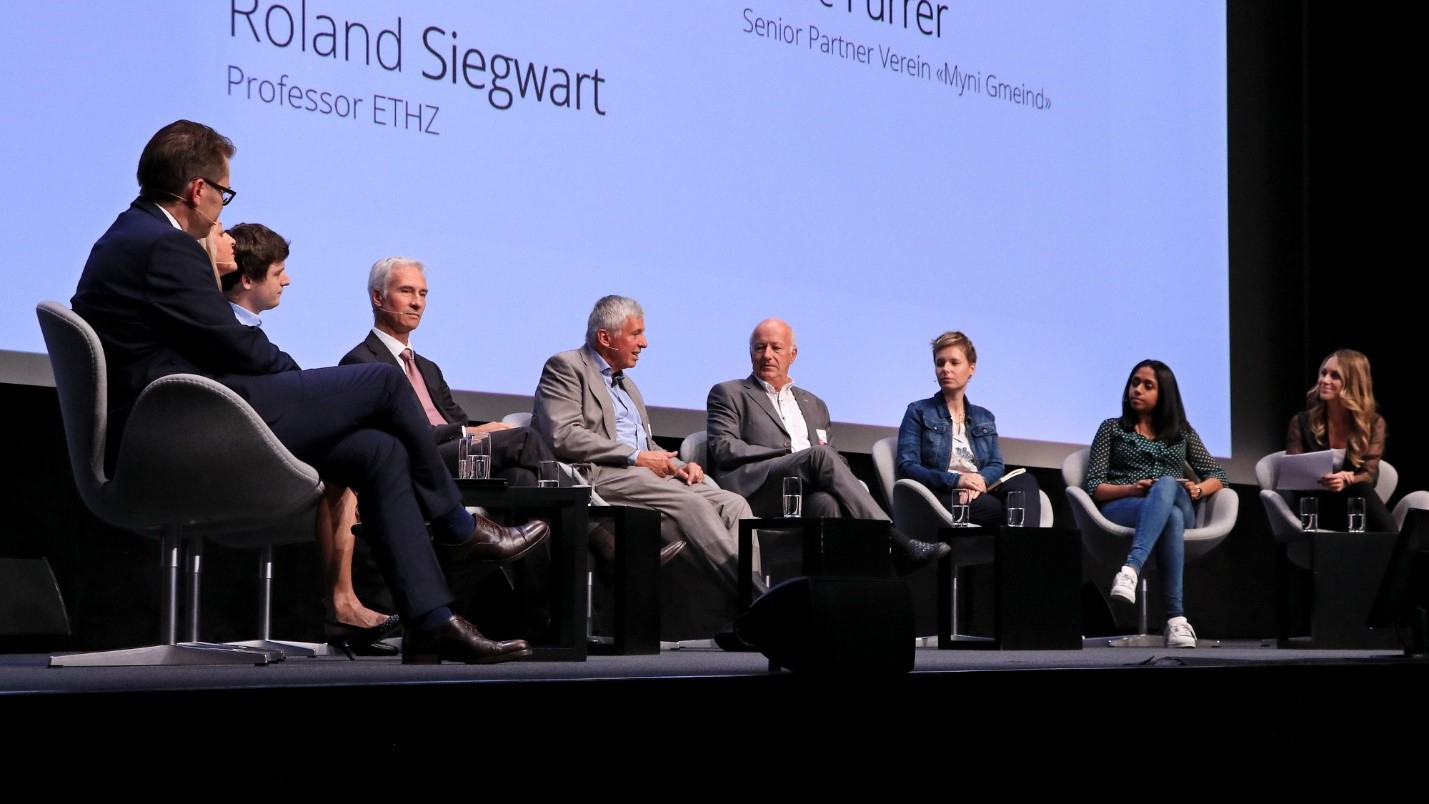
What the Digital Natives, who grew up in a world of smartphones, social networks and artificial intelligence, think, that's what an interactive part of the conference was about. It turned out that young people do not tick so differently than their older fellow human beings and share their concerns about the downsides of digitalization. Anyone who is 20 years old today will also notice a separation through online platforms, worries about data protection wants an attractive working environment and takes a critical look at the effects of AI on society. The young people also addressed four demands to the politicians gathered in Basel:
- Digital skills should be promoted, but not at the expense of social skills for the analog world
- It needs tools for more participation - and more courage in cities and communities
- Companies need to be more transparent with personal data
- Don't use up the whole future, we also want some of it
This article was originally posted on netzwoche