
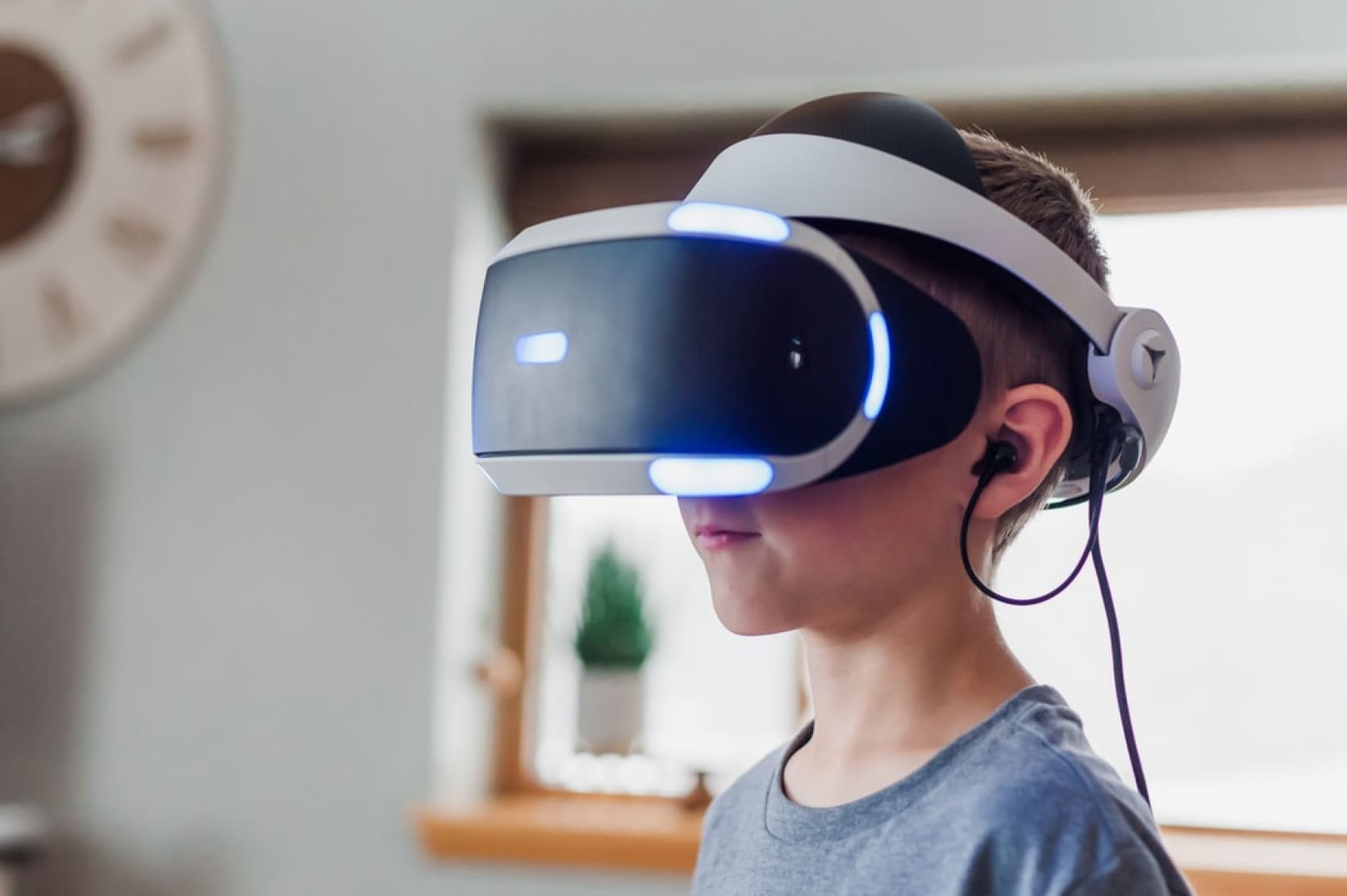
IDC estimates that the market for solutions for everything to do with augmented and virtual reality grew by almost 70 percent in 2019. Four pilot projects show the use in repair / maintenance, training and the transfer of knowledge to retirees.
- Semiconductor manufacturer GlobalFoundries has cut training time by half
- The US market research company Gartner believes the market will be five to ten years away from real maturity
The acronym XR stands for Extended Reality and includes technologies related to augmented, virtual and mixed reality. Augmented Reality (AR) software on smartphonesor data glasses enrich physical objects with digital information, but the user remains in the "right world". On the other hand, virtual reality sets off(VR) puts the user in a completely artificial world. Mixed Reality (MR) is somewhere in between.
The market researchers from IDC anticipate a volume of more than 20 billion US dollars in the AR / VR segment. Compared to 2018, that would be an increase of almost seventy percent. Consumer goods groups, retailers and discrete manufacturing are leading in the use of such solutions.
Four pilot projects outline application scenarios:
1. Training in production: The semiconductor manufacturer GlobalFoundries has committed itself to consistent user orientation (Human Centered Design Approach) and uses augmented reality for training purposes. The company records work processes, cuts them into teaching content and adds digital information to the recordings. Beginners as well as experienced colleagues are trained with this content.
In this way, learning certain standard activities is ten times faster than with films from the camcorder that GlobalFoundries had previously used. Overall, the training time has been halved. The company uses themApplications In addition to "remote assistance": An employee in production can call a colleague at another location and have them look over their shoulder and give tips.
AR inspires the pilot
2. Maintenance and repairs: Airbus uses smart glasses to repair and maintain its aircraft. As with GlobalFoundries, a remote technician can support the colleague at the machine remotely. In addition, those involved can jointly view CAD drawings. Airbus uses AR to help its pilots go through checklists. You can request remote assistance.
3. Successful learning in consulting and medicine: The Accenture management consultancy enables young clerks to try out real-life consultations using virtual reality,Social Build skills and make decisions. Rori DuBoff, Head of Content Innovation at Accenture Interactive, is satisfied with the results so far in the areas of reducing inefficiencies and costs. The consultants estimate the market potential of VR / AR technologies for training purposes alone to be more than eight billion US dollars by 2023.
DuBoff also sees potential in the medical field, which is not even about headsets and data glasses. Thesoftware in itself is now so mature that it enables doctors, for example, to provide high-quality 3D views of organs and bones.
Increasingly better solutions available at a reasonable cost
4. Passing on the knowledge of retirees: The consulting firm Nerdery is watching how companies use XR technologies to pass on the knowledge of their retirees to young professionals. For example, an oil and gas company equips its colleagues in the field with portable XR devices. If necessary, they can contact their experienced colleagues, who turn on their computers at home, share content and provide virtual support to the young employees.
Experts agree that increasingly better XR solutions are available at a reasonable cost. Nevertheless, the US market research company Gartner sees the market still five to ten years away from real maturity. The companies are currently in the experimental phase.
This article was originally published by CIO