
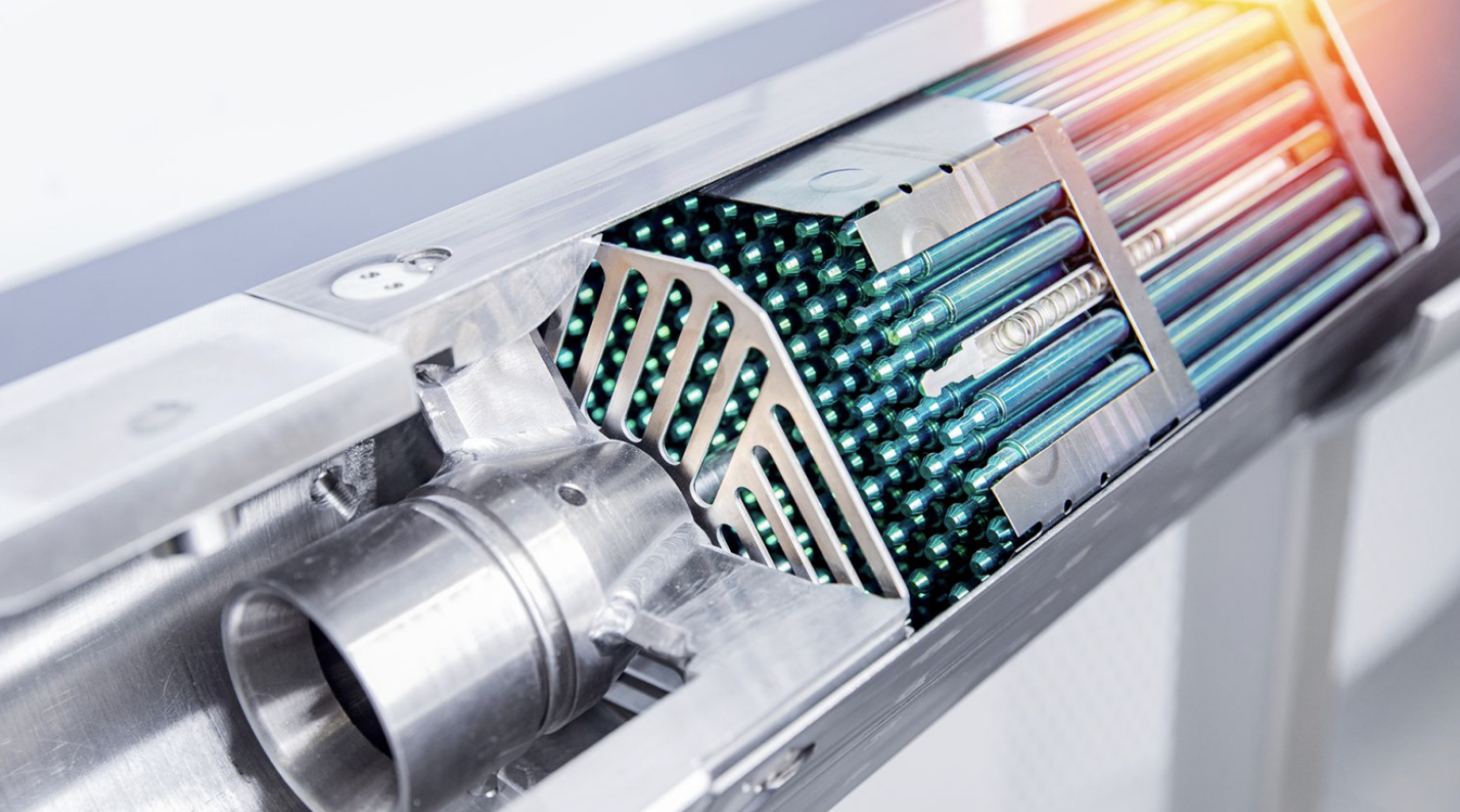
Discussing the crucial role that small modular reactors (SMRs) can play in global efforts to adopt sustainable energy policies, particularly in the context of volatile international energy markets.
In international energy markets, recent global events, including the pandemic's disruption and Russia's invasion of Ukraine, have highlighted energy market volatility. Sanctions on Russia's natural gas reserves have led European states to reconfigure their energy supply, including reactivating coal plants for backup power. This decision has sparked debates about its environmental impact, given ongoing decarbonization efforts.
To address these concerns, some are advocating for Small Modular Reactors (SMRs) as a sustainable energy solution. However, SMR adoption is still in its early stages compared to traditional coal plants. Balancing the need for energy security with decarbonization goals will require a thoughtful and phased approach to transitioning away from fossil fuels.
Adapting existing coal plants into small modular reactors
While some may see signs of a coal resurgence, overall trends suggest otherwise. Coal's share in US electricity generation hit record lows in Q1 2023, and it's more costly to maintain compared to new wind and solar projects. However, caution is needed when phasing it out, given its role in stabilizing volatile power markets.
Sustainable energy solutions, though improving, still face intermittency issues. So, coal may persist in some nations' grids.
Attention is crucial for the infrastructure supporting coal, especially concerning small modular reactors adapting to real-time demand changes. Mismanagement could strain the grid and lead to problems beyond capacity. Similar challenges are emerging in gas-fired power plants due to renewable energy intermittency. These plants face operational stresses, causing issues like valve degradation and pressure boundary cracks. Overlooking these smaller components can hinder a plant's effectiveness as a contingency solution.
Making a success of succession
The impact of a well-devised maintenance strategy goes beyond contingency – they are also vital to the succession plans of coal-fired power plants, especially where small modular reactors are concerned. As the International Energy Agency notes, by repurposing old fossil plants with these reactors, local customers can access abundant power without the upheaval associated with major changes to existing infrastructure. This is afforded by a similar output between 200Mwe and 400Mwe, allowing SMRs to effectively ‘slot in’ to old grid connections.
Compared to the extensive costs and timescales associated with large-scale nuclear facilities, the appeal of this smaller easier-to-implement technology is clear. Alongside convenience, this repurposing process also provides logistical benefits. Namely, issues around finding a sufficient water source, establishing road and rail links and sourcing a nearby skilled workforce have already been addressed, and there is no need to acquire additional land.
Though great strides are being made toward fully commercialising the technology, SMRs are still in a nascent stage of development. Currently, 70 provisional designs are in consultation across 18 countries, and standardisation and best practice is still being defined. Engaging suppliers specialising in nuclear technology will therefore be key to proving the practical merits of SMR technologies and going beyond the concept stage.The ball is already rolling on the adoption of small modular reactors. Though the organisation’s main steam safety valves, emergency core cooling system strainers and main steam isolation valves may be comparatively small features within a plant’s overall design, they are essential to ensuring an SMR functions safely and optimally.
It must also be noted that long regulatory approval processes are a fact of life in this sector. Even for businesses that are ahead of the curve and looking to innovate, standardised, clearly proven technologies will remain attractive. Similarly, if the power industry is to push ahead with its ambitious decarbonisation plans, the need for familiar solutions will only become more acute. This is also to say nothing of the hesitance some may feel at the rapid adoption of nuclear power generation technologies. In these circumstances, implementing valves and components that have already been shown to work will be vital to assuaging very valid concerns.
Critical service knowledge and fossil fuel phaseout plans are closely linked. To ensure coal plants are incorporated into decarbonisation efforts, using already-existing infrastructure will be key, especially with costs remaining one of nuclear’s biggest barriers to adoption. This sentiment of making do with what we have can also be extended to the development of SMRs as a means of transitioning from coal. As the nuclear sector has traditionally struggled with construction delays and spiralling costs on new buildings, partly because of overengineering, adapting existing infrastructure may hold unique appeal.
Taken in isolation, valve components cannot solve our pressing and future energy concerns. However, the vital role they will have in the short-, medium- and long-term of the energy transition means they cannot be overlooked.
This article was originally posted by: INNOVATIONNEWSNETWORK