


The manufacturing industry has always been at the forefront of technological advancements. Over the years, robots have become an integral part of the manufacturing process, increasing efficiency and productivity. However, traditional robots have limitations that have led to the emergence of a new player in the field – cobots.
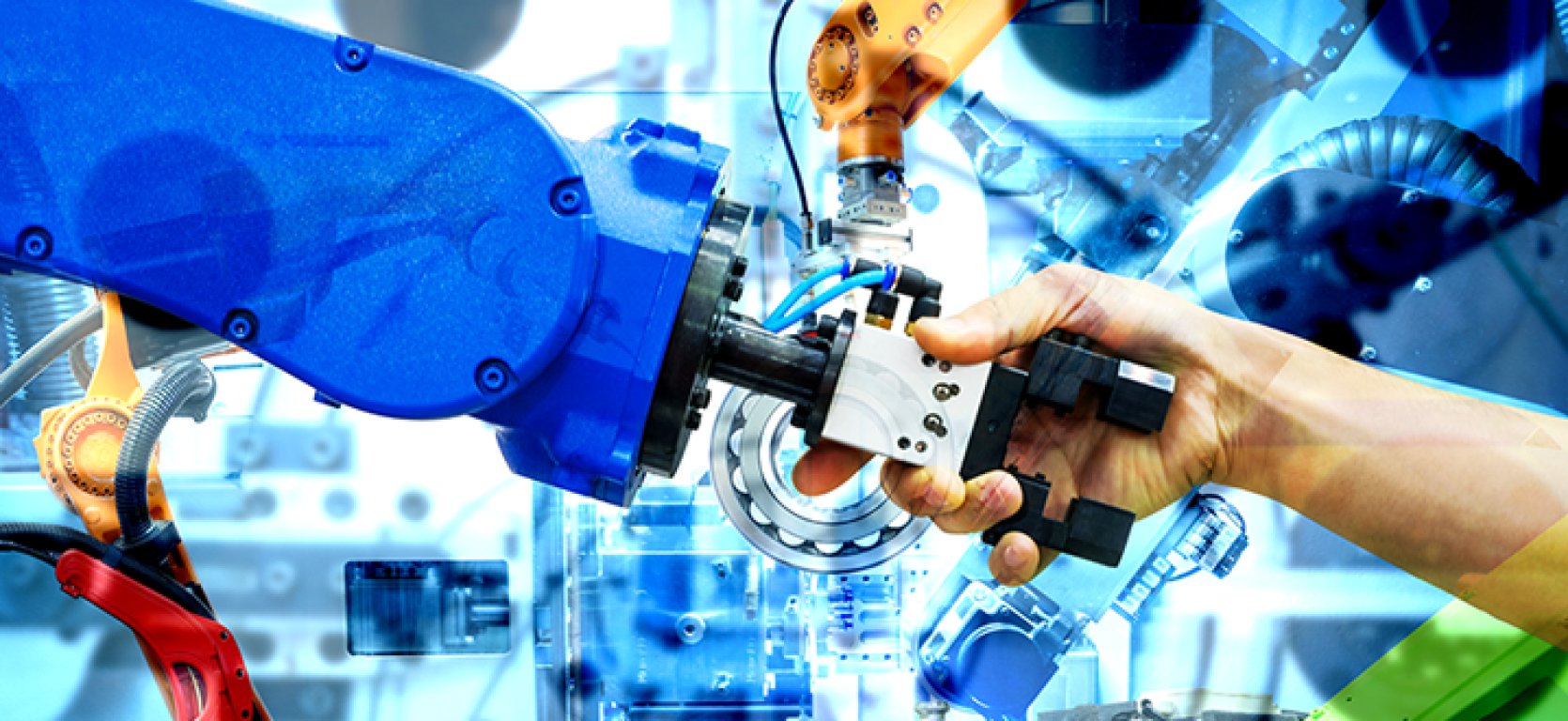
Cobots, or collaborative robots, are designed to work alongside humans, enhancing their capabilities rather than replacing them. This unique feature sets them apart from traditional robots and offers several advantages in the manufacturing industry.
One of the key advantages of cobots is their ability to improve safety in the workplace. Traditional robots are often large and powerful, posing a significant risk to human workers. In contrast, cobots are designed to be lightweight and have built-in safety features, such as force sensors that can detect when they come into contact with a human. This allows cobots to work safely alongside humans without the need for safety barriers, reducing the risk of accidents and injuries.
Another advantage of cobots is their flexibility. Traditional robots are typically programmed to perform a specific task and are not easily adaptable to changes in the production line. Cobots, on the other hand, can be easily reprogrammed and reconfigured to perform different tasks, making them highly versatile. This flexibility allows manufacturers to quickly adapt to changing market demands and optimize their production processes.
Cobots also offer significant cost savings compared to traditional robots. Traditional robots require extensive infrastructure, such as safety barriers and dedicated workspaces, which can be expensive to implement. In contrast, cobots can be easily integrated into existing workspaces without the need for additional infrastructure. Additionally, cobots are often more affordable than traditional robots, making them a cost-effective solution for small and medium-sized enterprises.
In addition to cost savings, cobots can also help manufacturers save time. Traditional robots often require specialized training and expertise to program and operate. This can be time-consuming and may require hiring additional staff or outsourcing the task to experts. Cobots, on the other hand, are designed to be user-friendly and intuitive, allowing workers to easily program and operate them without extensive training. This not only saves time but also empowers workers to take control of the manufacturing process.
Furthermore, cobots can improve productivity in the manufacturing industry. By working alongside humans, cobots can assist with repetitive and physically demanding tasks, freeing up human workers to focus on more complex and value-added activities. This can lead to increased productivity and efficiency, ultimately resulting in higher output and profitability for manufacturers.
In conclusion, cobots offer several advantages in the manufacturing industry compared to traditional robots. Their ability to enhance safety, flexibility, cost savings, time efficiency, and productivity make them a valuable asset for manufacturers. As technology continues to advance, cobots are likely to play an increasingly important role in shaping the future of manufacturing.
This article was originally posted by: Anyuak Media